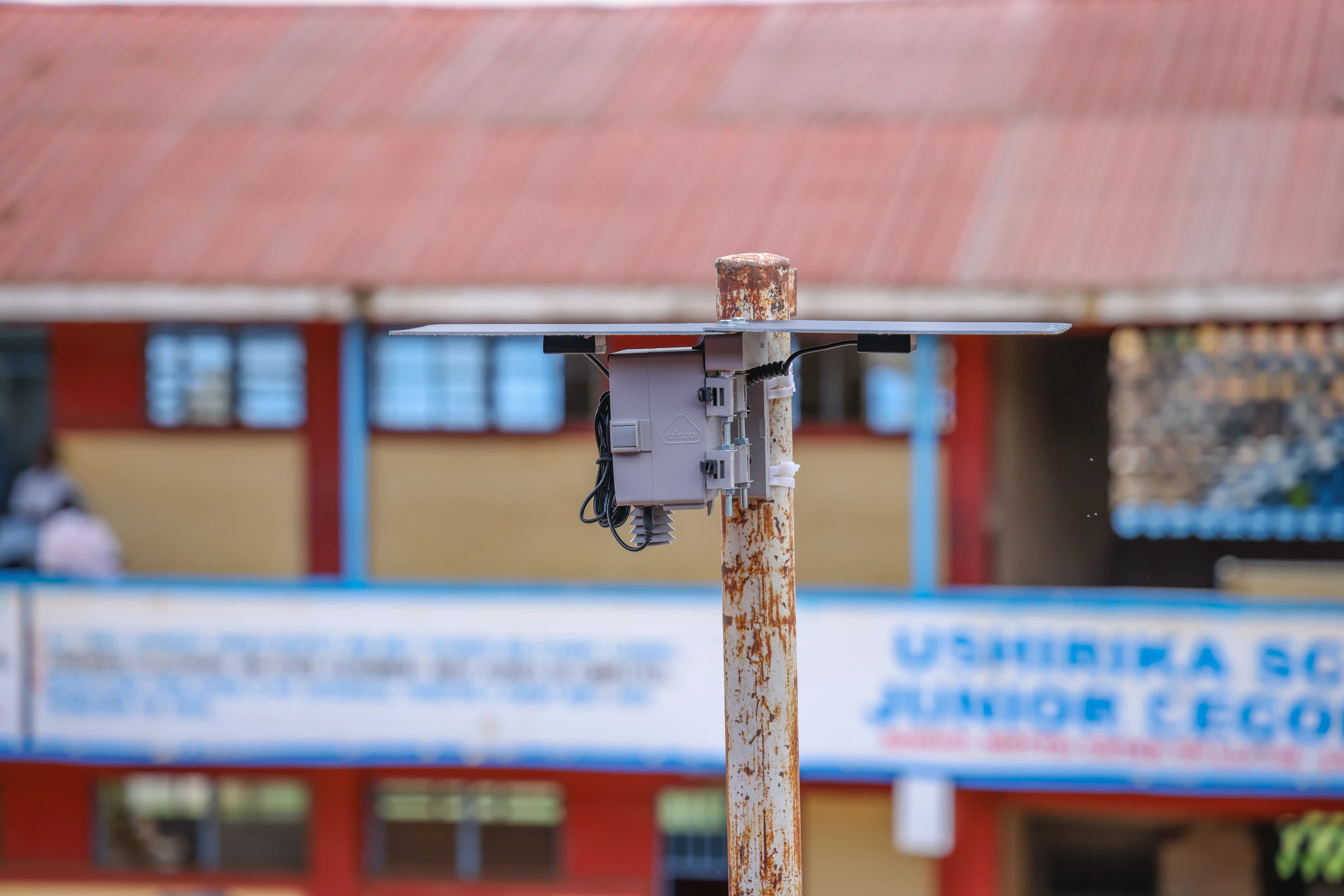
Building for Connectivity Constraints: IoT in Low-Bandwidth Africa
Lessons from deploying sensor networks across Nairobi — and why the rules of IoT change when your infrastructure must work in areas with unreliable power and patchy connectivity.
Joel Kate
Co-Founder, Muran Systems
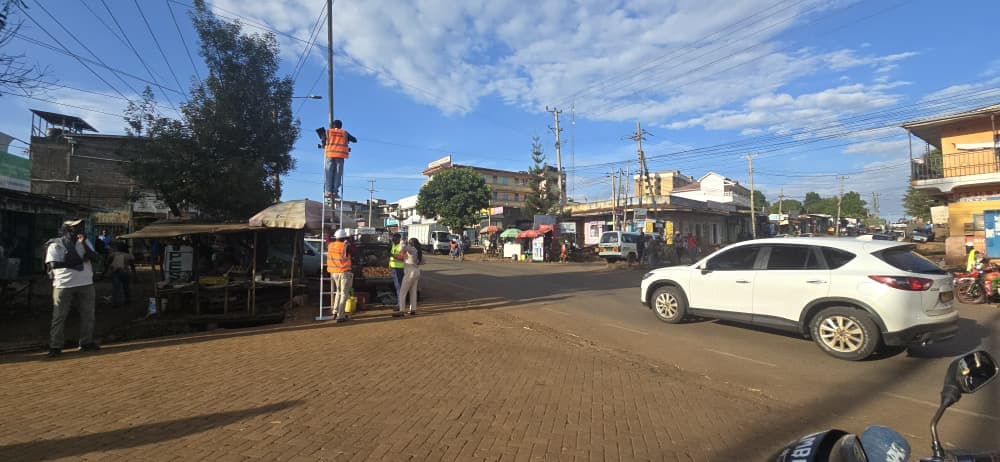
When we deployed our first batch of air quality sensors in Nairobi, we made a classic mistake: we designed for the connectivity we wanted, not the connectivity we had.
Assume the network will fail
The standard IoT pattern — stream data continuously to the cloud — works well in environments with stable 4G or fixed broadband. In many parts of Nairobi, and across most of East Africa, that assumption breaks down quickly.
Our sensors now operate on a store-and-forward model. Readings are logged locally with a timestamp, and the device attempts upload on a configurable interval. If the connection fails, data queues. When connectivity returns, the queue flushes in order. No data is lost; the platform just receives it later.
Power matters more than bandwidth
We run sensors on a combination of mains power and solar with battery backup. A sensor that goes dark during a power cut is worse than no sensor — because the missing data creates gaps in the time series that corrupt trend analysis. We learned to treat power continuity as a first-class requirement, budgeted from the start, not added as an afterthought.
Build the dashboard for the people reading it
Our first dashboards were built for engineers. The field officers who used the data daily needed something different:
Simple color coding (green / amber / red)
Plain-language alerts
CSV export for their own analysis tools
What this means for IoT deployments in Africa
The infrastructure constraints are not a barrier — they are a design brief. Sensors that work reliably in Nairobi's conditions are more valuable than sensors that only work in ideal conditions. That robustness has become a selling point, not a compromise.
If you are planning a sensor deployment in East Africa, the three questions worth asking early are:
What happens when the network is down? 2. What happens when the power is out? 3. Who is actually reading this data?